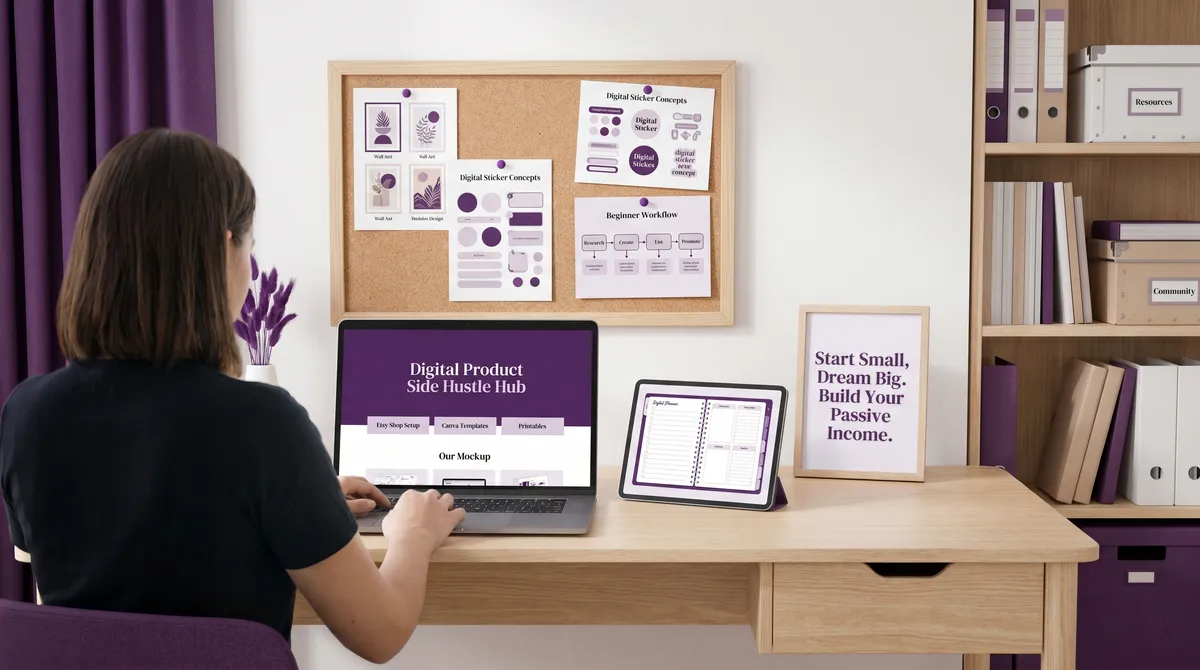
Canva Templates: A Beginner Workflow for Printables
Learn a simple, beginner-friendly workflow for creating Canva templates for printables—plus common mistakes to avoid and how to list confidently.
Read more →Passive Printables Hub
Design faster, package smarter, and publish with confidence
Grab beginner-friendly resources that help you design faster, standardize files, and prepare listings—without guesswork. Learn repeatable steps you can use across every new template.
Design faster, package smarter, and publish with confidence
Learn a simple, beginner-friendly workflow for creating Canva templates for printables—plus common mistakes to avoid and how to list confidently.
Read more →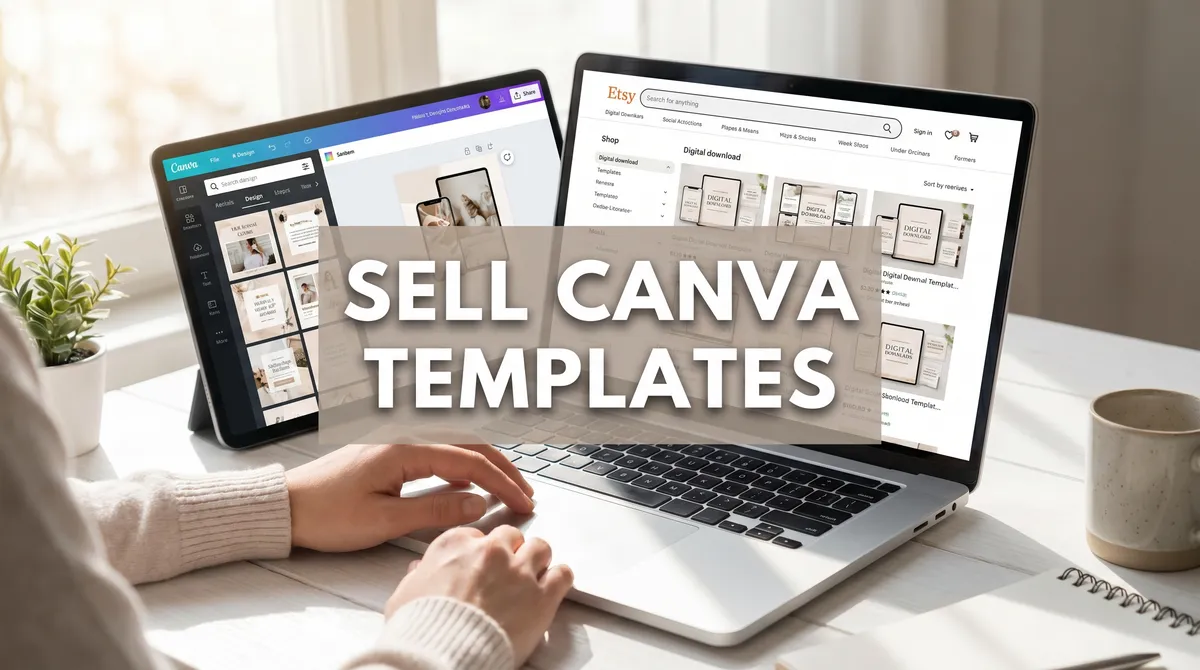
Learn how to sell templates on Canva the right way: validate a niche, package links, list on Etsy, price, and stay license-compliant.
Read more →Let's clear up one big misconception right away: there is no "ChatGPT API."
What we do have are APIs for specific models such as GPT-5 or GPT-5.1-mini. These are the brains behind ChatGPT—but they are not ChatGPT itself.
The same goes for Perplexity. There's no "Perplexity API" that behaves exactly like the web interface.
You only get access to underlying models like Sonar, Sonar Pro, or Sonar Reasoning.
Think of the API as the raw model.
Think of ChatGPT as the raw model plus:
When you use the API directly, you're working with the foundation—powerful, but requiring more setup to match the full ChatGPT experience.
Understanding this distinction is crucial when building AI agents:
This is why platforms like Agent X exist—they bridge the gap between raw AI capabilities and practical business automation.
Peek inside example projects to learn how designs are built, organized, and exported for printables shops. Follow along and adapt the process to your niche.